

When Your Child Needs Help, But Words Are Hard
When parents first hear the recommendation for play therapy for children, many feel uncertain. It is common to wonder: Will my child just play? How will that help with real problems like anxiety, big emotions, or behavior struggles?
Most adults associate therapy with talking, insight, and conversation. But young children experience and express their inner world differently. They often lack the vocabulary or emotional awareness to say things like:
- “I feel overwhelmed.”
- “I’m worried something bad might happen.”
- “I’m angry about the changes in my life.”
Instead, these feelings often emerge through imaginative play, storytelling, drawing, or interactions with toys. For children, play is often the language through which their thoughts, fears, and experiences are expressed.
Play therapy is a developmentally appropriate, evidence-based form of child therapy that meets children where they are. Through carefully guided play, therapists help children:
- Express emotions
- Build regulation skills
- Process experiences
- Strengthen relationships with caregivers
For many families seeking child therapy for anxiety, trauma, emotional regulation challenges, social struggles, or even academic difficulties, play therapy provides a powerful pathway toward healing and growth.
Why Play Therapy Works
Research in developmental psychology shows that pretend play allows children to explore emotions, relationships, and experiences in a symbolic and manageable way. Through shared play, children practice understanding other people’s perspectives and creating meaning together.
Play therapy also supports emotional development through the relationship with the therapist. Secure, responsive relationships help organize brain systems involved in emotional regulation and social understanding.
Modern approaches to play therapy also take a neurodivergent-affirming and trauma-informed lens. Rather than focusing on “fixing” behavior, therapists understand behavior as communication and help children develop the emotional tools and relational safety they need to thrive.
What to Expect in a Play Therapy Session
Parents often ask: What actually happens in play therapy?
While every child and therapist is unique, most play therapy follows a structured but flexible process designed to support emotional growth.
The First Session
The process usually begins with a parent intake session. During this meeting, the therapist gathers information about:
- Your child’s developmental history
- Current concerns
- Family dynamics
- School experiences
- Strengths and interests
This helps the therapist understand your child’s developmental profile, including emotional regulation, social skills, and learning style. The goal is not simply to identify challenges, but to understand the child within the context of their relationships and environment.
During Play Therapy Sessions
Play therapy sessions are structured but child-led.
Children may use toys such as:
- Dolls or figurines
- Art materials
- Sand trays
- Puppets
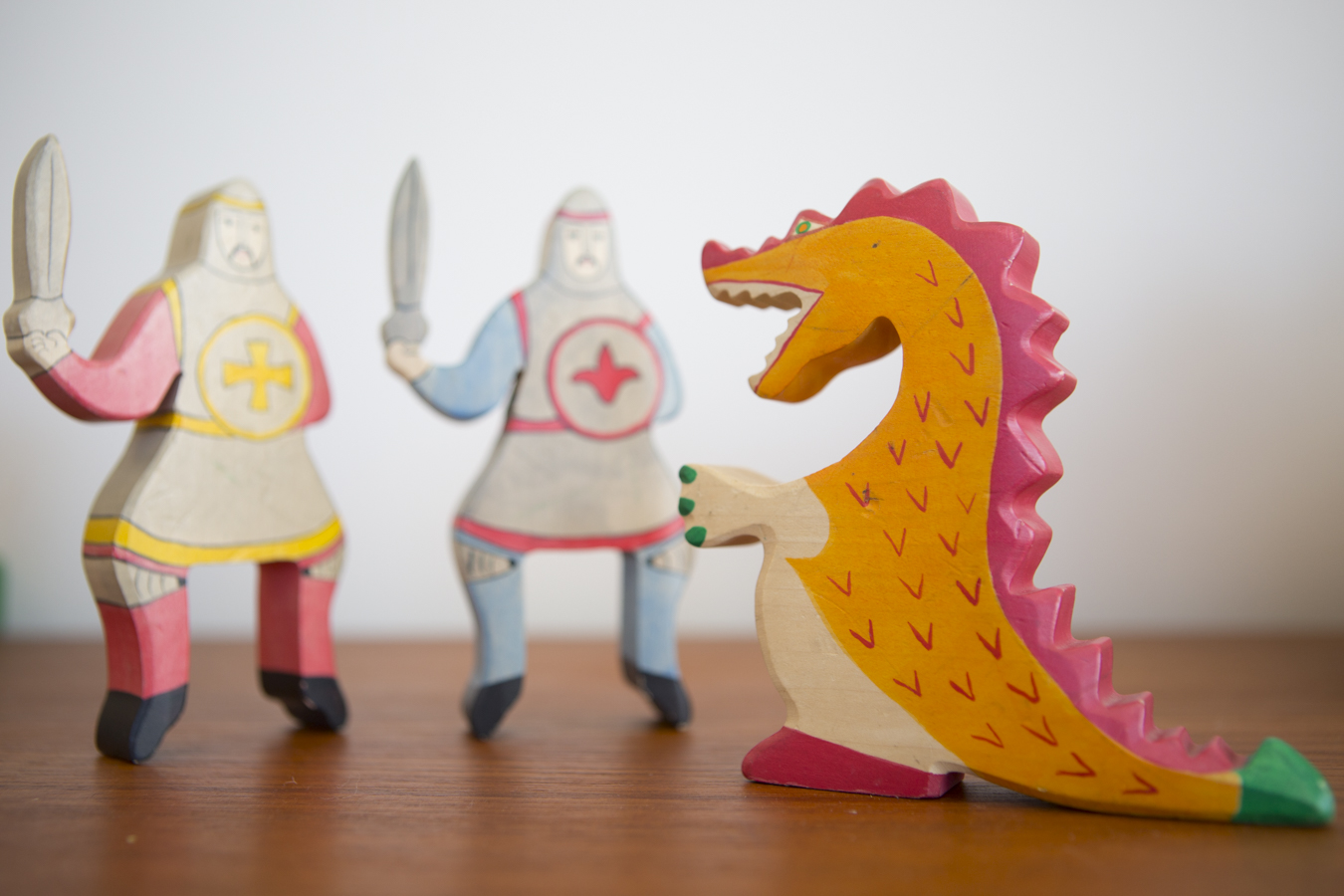
- Blocks or imaginative play sets
Through these activities, therapists observe themes, emotional patterns, and relational dynamics that appear in the child’s play.
For example:
- A child experiencing anxiety may repeatedly play out themes of danger and safety.
- A child navigating social struggles may recreate peer conflicts through pretend play.
Within the play, the therapist helps the child:
- Identify and express emotions
- Practice problem-solving
- Develop emotional regulation skills
- Build confidence and resilience
This process unfolds gradually within the safety of the therapeutic relationship.
Parent Involvement in Play Therapy
A key part of successful play therapy is parent collaboration.
Parents typically participate through:
- Regular check-ins with the therapist
- Occasionally being present in sessions to learn play and connection skills
- Learning tools to support their child at home
- Developing a deeper understanding of their child’s emotional world
Research highlights the importance of caregivers being able to reflect on their child’s inner experiences, something psychologists call reflective functioning. This capacity helps parents respond with empathy and emotional attunement.
Play therapy works best when therapists and caregivers collaborate to support the child across environments.
Why Play Therapy Is Effective
Research and clinical experience suggest that play therapy can be highly effective when delivered by trained clinicians.
Brain Development and Emotional Regulation
Children’s brains are still developing the systems responsible for:
- Emotional regulation
- Impulse control
- Social understanding
Experiences within supportive relationships help shape these systems over time.
Attachment research shows that early caregiving relationships play a powerful role in organizing brain development related to emotional regulation and social cognition.
In therapy, children experience a safe relational space where difficult feelings can be explored and regulated with the support of a caring adult.
Attachment and Relational Safety
A strong therapeutic relationship provides the foundation for healing.
When children feel emotionally safe with their therapist, they are more able to:
- Express difficult emotions
- Process stressful experiences
- Develop trust and self-confidence
Attachment-informed therapy recognizes that emotional regulation and resilience grow through safe, responsive relationships.
Trauma Processing Through Symbolic Play
Children often process overwhelming experiences through symbolic play.
In play therapy, children may reenact scenarios that mirror fears, losses, or stressful events. Therapists thoughtfully select toys and materials to support the child’s processing of these experiences.
Through repeated play and supportive guidance, children can gradually transform their understanding of difficult experiences and gain a sense of mastery over emotions that once felt overwhelming.
Research-Backed Benefits
Decades of research in developmental psychology and psychotherapy show that play-based interventions support:
- Emotional regulation
- Social development
- Anxiety reduction
- Stronger parent-child relationships
Pretend play helps children practice understanding others’ perspectives and negotiating shared meaning in relationships — developmental skills that are foundational for emotional wellbeing.
Who Can Benefit From Play Therapy?
Play therapy can support children experiencing a wide range of challenges.
Child Therapy for Anxiety
Children may struggle with:
- Separation anxiety
- Social anxiety
- Excessive worries
- School refusal
Play therapy provides a safe way for children to express and work through fears.
Big Emotions and Meltdowns
Some children experience intense emotional reactions such as:
- Frequent tantrums
- Difficulty calming down
- Low frustration tolerance
Therapy helps children build emotional awareness and regulation skills.
Social Challenges
Children who struggle with friendships, peer conflicts, or social communication can benefit from play-based therapy that supports relational skill development.
Life Transitions
Major life changes — such as moving, divorce, or the arrival of a new sibling — can create stress for children.
Play therapy helps children process these transitions in a supportive environment.
Neurodivergent Children
Children with ADHD, autism, sensory differences, or twice-exceptional profiles often benefit from neurodivergent-affirming play therapy that supports regulation and communication.
Grief or Trauma
Play therapy allows children to process grief, loss, or traumatic experiences at a pace that feels emotionally manageable.
How to Know If Your Child Might Need Play Therapy
Sometimes the signs that a child needs support appear through behavior rather than words.
Parents may notice:
- Sudden behavioral changes
- Regression (bedwetting, clinginess, baby talk)
- Sleep difficulties or nightmares
- School refusal
- Frequent emotional outbursts
These behaviors are often signals of underlying emotional stress, not intentional misbehavior.
Early support can help children build coping skills and restore a sense of safety and stability.
Frequently Asked Questions About Play Therapy
How long does play therapy take to work?
Many children begin showing improvements within several months, though the timeline varies depending on the child’s needs and therapy goals. Some children benefit from short-term therapy, while others may need longer support.
Is play therapy just playing?
No. While it may look like play from the outside, trained therapists use play intentionally to observe emotional themes, help children process experiences, and build important emotional skills.
At what age can a child start play therapy?
Play therapy is most commonly used with children ages 3–12, though younger children may benefit from parent-child therapy approaches.
Does insurance cover play therapy?
Coverage varies depending on the insurance provider and the child’s diagnosis. Many therapy practices can provide documentation to help families submit claims for reimbursement.
How do I prepare my child for their first session?
Keep it simple and reassuring. You might say:
“You’re going to meet a helper whose job is to play and talk with kids about feelings.”
Avoid presenting therapy as something the child needs because they are “in trouble.” Instead, frame it as a supportive place where they can explore feelings and learn new skills.
If you would like help determining whether play therapy for children might support your child, the clinicians at North Star Families would be happy to guide you through the next steps.